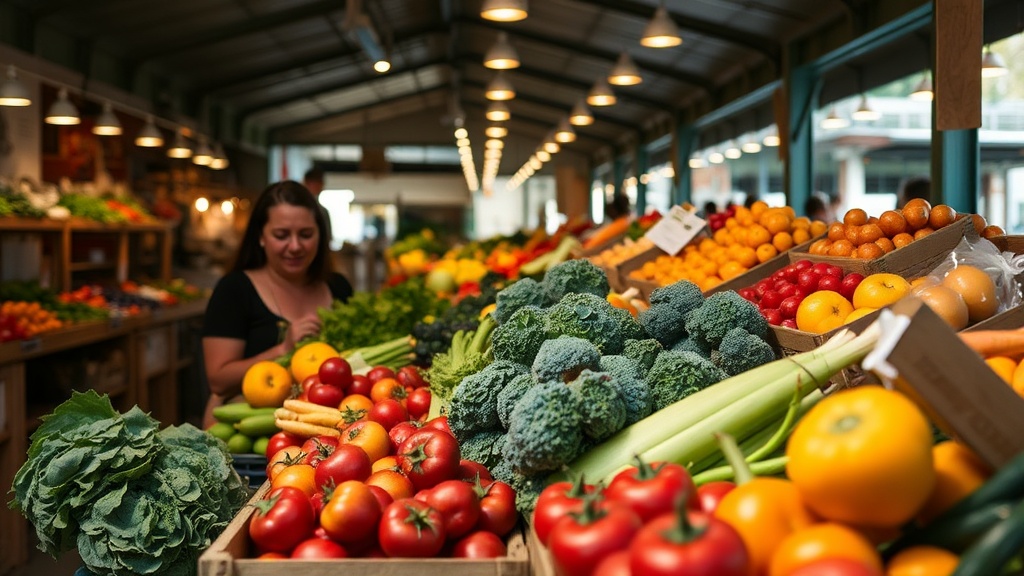
Navigating Local Farmers Markets and Seasonal Produce

A tourist stands in the middle of the Ucluelet market, staring at a basket of heirloom tomatoes and a jar of local honey, looking slightly overwhelmed by the choices. They came expecting standard grocery store staples but found themselves facing a vibrant, slightly chaotic spread of seasonal goods that don't quite match the labels in their pantry. This is the reality of shopping local on the West Coast—it requires a bit of a mindset shift from the predictable aisles of a big-box retailer.
This guide explains how to shop the local farmers markets on the Alberni Valley and Clayoquot Sound fringes effectively. You'll learn how to track seasonal availability, what to look for in high-quality BC produce, and how to make the most of your budget when the weather dictates what grows. Shopping this way isn't just about food; it's about understanding the rhythm of our specific corner of British Columbia.
What is in Season in Ucluelet Right Now?
Seasonal availability on the West Coast depends entirely on the current month and the local microclimate. Because we are tucked away on the coast, our growing seasons can be slightly different than the interior of BC.
In the spring, you'll see a heavy emphasis on leafy greens, radishes, and perhaps the first signs of asparagus. As we move into the summer months, the heavy hitters arrive: berries (blueberries, strawberries, and raspberries), stone fruits, and eventually the hearty vegetables like zucchini and peppers. By late summer and autumn, the focus shifts to squash, root vegetables, and apples.
It helps to keep a mental calendar. If you're looking for a peach in February, you're going to be disappointed—or you'll end up buying something flown in from halfway across the world, which defeats the purpose of shopping local. To see a more standardized view of what grows where, you can check the agricultural profiles on Wikipedia.
- Spring: Microgreens, peas, radishes, and early greens.
- Summer: Berries, tomatoes, cucumbers, and zucchini.
- Autumn: Squash, pumpkins, apples, and hearty roots.
- Winter: Often relies on storage crops like potatoes, onions, and hardy greens.
How Much Does Local Produce Cost Compared to Grocery Stores?
Local produce is often slightly more expensive than the mass-produced versions at big-box stores, but you're paying for freshness and a shorter supply chain. While a bag of carrots from a national chain might be cheaper, the flavor profile of a local, soil-grown carrot is incomparable.
Think of it this way: you aren't just buying a vegetable; you're buying the labor of a neighbor. On the West Coast, the cost of transport is high, so local farmers are often pricing their goods to reflect the reality of small-scale farming. You might pay $6 for a pint of berries that would be $4 at a supermarket, but those berries were likely picked yesterday, not two weeks ago.
If you want to save money while still shopping local, try buying in bulk when things are at their peak. When the blueberries are everywhere, buy more and freeze them. This is a great way to supplement your pantry if you've already spent time setting up a sustainable home garden in Ucluelet.
| Product Type | Grocery Store (Typical) | Local Farmers Market (Typical) |
|---|---|---|
| Berries (Pint) | $3.50 - $4.50 | $5.00 - $7.00 |
| Leafy Greens | $2.99 (Plastic Bag) | $4.00 - $5.00 (Bunch) |
| Seasonal Veg | Variable/Low | Premium/Fresh |
Where Can I Find the Best Farmers Markets Near Ucluelet?
The primary hubs for local goods are found in Ucluelet itself and nearby Port Alberni. While Ucluelet is smaller, the community-driven markets often feature incredible artisanal goods that you won't find anywhere else.
Most markets in our region are seasonal. They tend to ramp up in the late spring and wind down as the frost approaches. It's a good idea to check local community boards or social media groups before you head out. You don't want to drive all the way down the highway only to find the market is closed for a private event or a rainy day.
Keep an eye out for specific vendors. Some people specialize solely in baked goods, while others are strictly about the harvest. If you find a vendor with incredible sourdough or local honey, make a note of them. These small-scale producers are the heartbeat of the local food scene.
Pro-Tips for a Successful Market Run
Don't go to the market on an empty stomach. It's a cliché for a reason. If you're hungry, you'll end up buying three jars of jam and a loaf of bread before you even get to the vegetables you actually need.
Also, bring your own bags. We try to keep things sustainable here, and bringing your own reusable totes or even a sturdy backpack makes the process much smoother. It also helps if you're buying heavy items like root vegetables or jugs of local juice.
- Bring Cash: While many vendors now take card or digital payments, the connection can be spotty in our area. Having small bills is a lifesaver.
- Check the Weather: A sudden West Coast downpour can change everything. Bring a raincoat or an umbrella so you can linger at the stalls.
- Ask Questions: Vendors love talking about their process. Ask how the kale was grown or if the honey is raw. It's a great way to learn.
- Look for the "Ugly" Produce: Often, the most flavorful fruit is the one that looks a little wonky. Don't pass up the slightly bruised peach—it's usually the sweetest.
The quality of the food you're buying is a direct reflection of the care put into the soil. When you buy from a local producer, you're supporting the very ecosystem that makes living on the coast so special. It's a small way to ensure our local food systems remain resilient.
If you're interested in the broader implications of food security and how it affects regional economies, the Government of Canada's agriculture pages offer plenty of data on how these systems work. It's a fascinating look at the logistics behind what ends up on your plate.
One thing to remember: the more you shop local, the more you'll realize that "seasonal" isn't a restriction—it's a gift. It forces you to change your recipes, try new ingredients, and actually pay attention to the calendar. It's a much more intentional way to live.
Whether you are a lifelong resident or just passing through, taking the time to find the local rhythm of the markets is one of the best ways to connect with the community. You'll find that the best flavors aren't found in a shipping container, but in the hands of the person standing right in front of you.
Steps
- 1
Check Local Community Boards
- 2
Identify Peak Seasonal Windows
- 3
Visit Early for Best Selection
- 4
Bring Reusable Bags and Cash