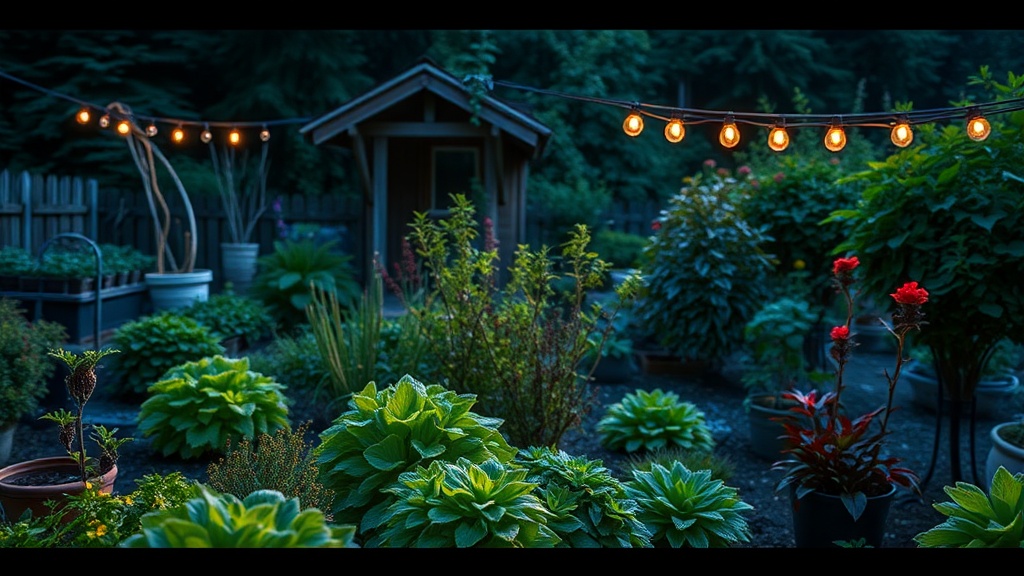
Setting Up a Sustainable Home Garden in Ucluelet

Roughly 60% of the precipitation in our region falls during the winter months, leaving our soil heavy, wet, and often depleted of oxygen by the time spring rolls around. This isn't just a statistic for us; it's a reality for every single person trying to grow anything in a backyard in Ucluelet. If you've ever wondered why your kale looks stunted or why your soil feels like a saturated sponge, it's because our microclimate is unlike almost anywhere else on the West Coast. We aren't just dealing with rain; we're dealing with the specific way saltwater air and high humidity interact with our local topography.
Living in Ucluelet means learning to work with the damp, not against it. Whether you live in a cottage near the waterfront or a house tucked further up the hill near the forest edge, the rules of gardening change based on your specific micro-location. We've noticed that even a few streets of difference can change how much wind exposure your plants get. This guide covers how to prepare your ground, manage moisture, and choose plants that actually thrive in our specific Ucluelet environment.
How do I handle the high moisture levels in my soil?
The biggest hurdle for most of us in Ucluelet is drainage. Because we get so much rain, many of our residential lots suffer from compaction and poor drainage. If you try to plant directly into the ground during a wet season, you'll likely end up with root rot before you even see a sprout. One of the best ways to combat this is by using raised beds. By building beds that sit a few inches above the actual ground, you're creating a buffer zone that allows excess water to drain away from the roots.
When you're sourcing materials, check with local suppliers around the Alberni Valley or specialized nurseries that understand our coastal needs. You'll want to add plenty of organic matter—think compost and well-rotted manure—to improve soil structure. This helps create air pockets in the dirt, which is vital when the humidity is hovering near 100%. If you're gardening near the more sheltered parts of the community, like the neighborhoods closer to the high school, you might have more success with traditional rows, but raised beds remain the gold standard for our area.
Which plants grow best in our coastal climate?
You can't just grab a packet of seeds from a big-box store and expect them to thrive here. Our climate is a bit temperamental. While we have a long growing season, the lack of intense heat and the constant presence of salt spray means you need to be picky. We've seen a lot of success with hardy greens and perennials that can handle a bit of a beating. Kale, chard, and certain types of lettuce tend to do well in Ucluelet, provided they aren't sitting in a constant puddle.
Berries are another fantastic option for our community. Blueberries and even certain types of currants love the acidic, damp soil we have. If you live closer to the ocean, you'll need to consider salt tolerance. Plants that can handle a bit of a coastal breeze will stay much happier. It's also worth looking at the BC Ministry of Agriculture resources for more specific plant compatibility in coastal zones. We often suggest talking to your neighbors—if someone down the street has a thriving tomato patch, ask them what they're doing differently!
Where can I find quality soil and supplies locally?
You might be tempted to drive long distances to find cheap supplies, but local is always better for our gardens. The soil and amendments used by people in our region are already somewhat adapted to our environment. When looking for compost or mulch, try to find local sources that don't require heavy chemical additives. Our local ecosystem is delicate, and we want to keep our backyard practices as natural as possible.
If you need help with heavy lifting or specific tools, there are plenty of hardware stores and garden centers nearby that serve the Ucluelet and Tofino area. Even a quick stop at a local shop to ask for advice can save you a season of failed crops. We've found that the most successful gardeners in our community are the ones who participate in the local exchange of knowledge. If you see someone working on a beautiful garden near the Ucluelet Aquarium area, don't be afraid to strike up a conversation about their drainage techniques.
A quick guide to Ucluelet garden preparation
To keep things simple, we've put together a quick checklist for your seasonal preparation:
- Test your drainage: Dig a hole, fill it with water, and see how long it takes to empty. This tells you exactly how much work your soil needs.
- Build up, not down: Use raised beds or mounds to keep roots out of the saturated ground.
- Add organic matter: Use compost to help with aeration.
- Check wind protection: If you're on a higher elevation in Ucluelet, consider a small windbreak for your delicate seedlings.
Gardening in Ucluelet isn't about fighting the weather; it's about working with it. It takes a bit of patience and a lot of observation, but once you find the rhythm of our seasons, the rewards are well worth the effort. Whether you're growing a tiny herb garden on a windowsill or a full-scale vegetable patch, understanding our unique local conditions is the first step toward a successful harvest.