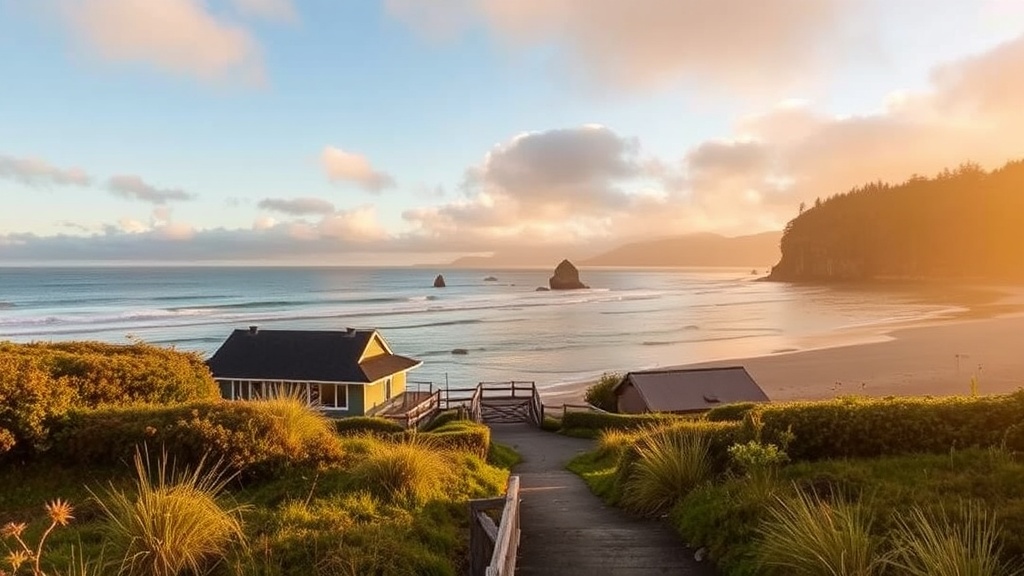
What Living in Ucluelet Actually Feels Like (And Why Visitors Only See Half of It)

Spend a day in Ucluelet and you’ll think you’ve seen it.
Spend a week, and you’ll realize you haven’t even started.
That gap—between the quick impression and the slower reality—is what defines this place. It’s not built for highlight reels. It’s built for people who notice patterns, weather shifts, and the way a town runs when no one’s trying to impress anyone.

Mornings Set the Tone Here
Locals don’t rush mornings in Ucluelet. Even people heading to work move with a different pace than you’d expect.
There’s usually a moment—coffee in hand, standing outside, looking at the water or the trees—where the day starts quietly. Weather plays a bigger role than your calendar. If it’s clear, people linger. If it’s stormy, they lean into it.
This isn’t a town where mornings are just a transition. They’re part of the experience.
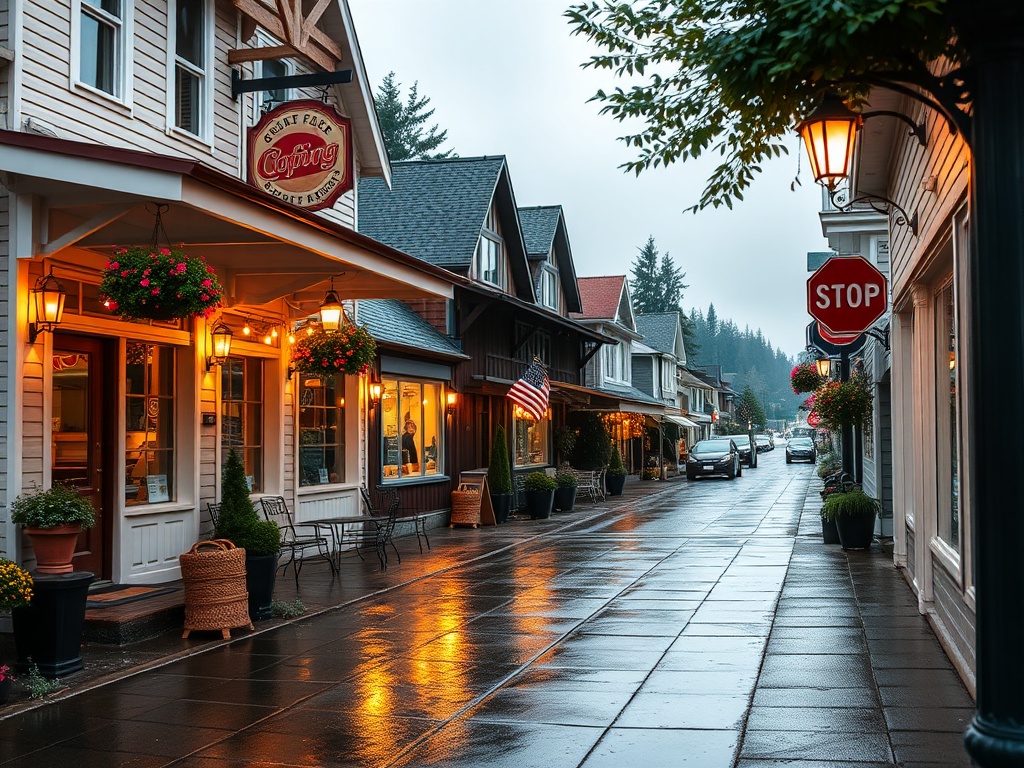
The Town Runs on Familiar Faces
Ucluelet is small enough that you start recognizing people quickly. Not in a forced, small-talk way—just in a quiet, consistent way.
The same barista, the same person walking their dog at the same time, the same truck parked near the harbour. It creates a rhythm that visitors don’t always notice right away.
That familiarity changes how you move through the place. You stop feeling like you’re passing through and start feeling like you’re part of something ongoing.
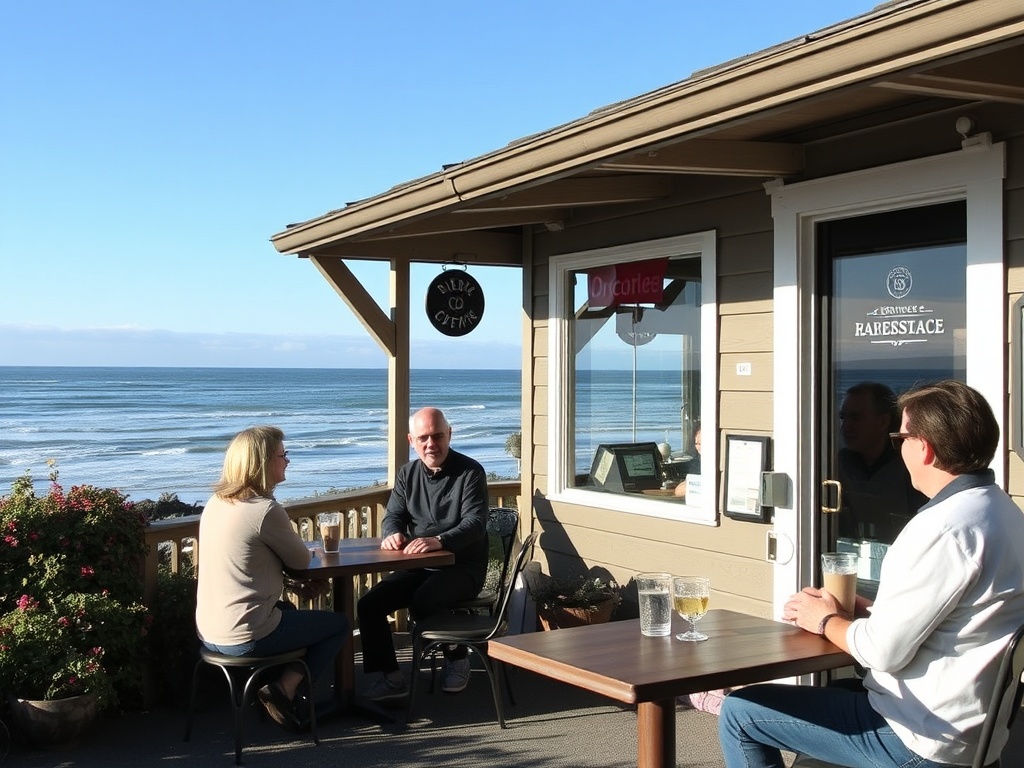
The Ocean Is Always in the Background
Even when you’re not looking at it, you’re aware of it.
You hear it at night. You smell it in the air. You notice how it changes the light, the wind, and even how people talk about their day.
Visitors often treat the ocean like an attraction. Locals treat it like a constant presence—something that shapes decisions, moods, and routines.

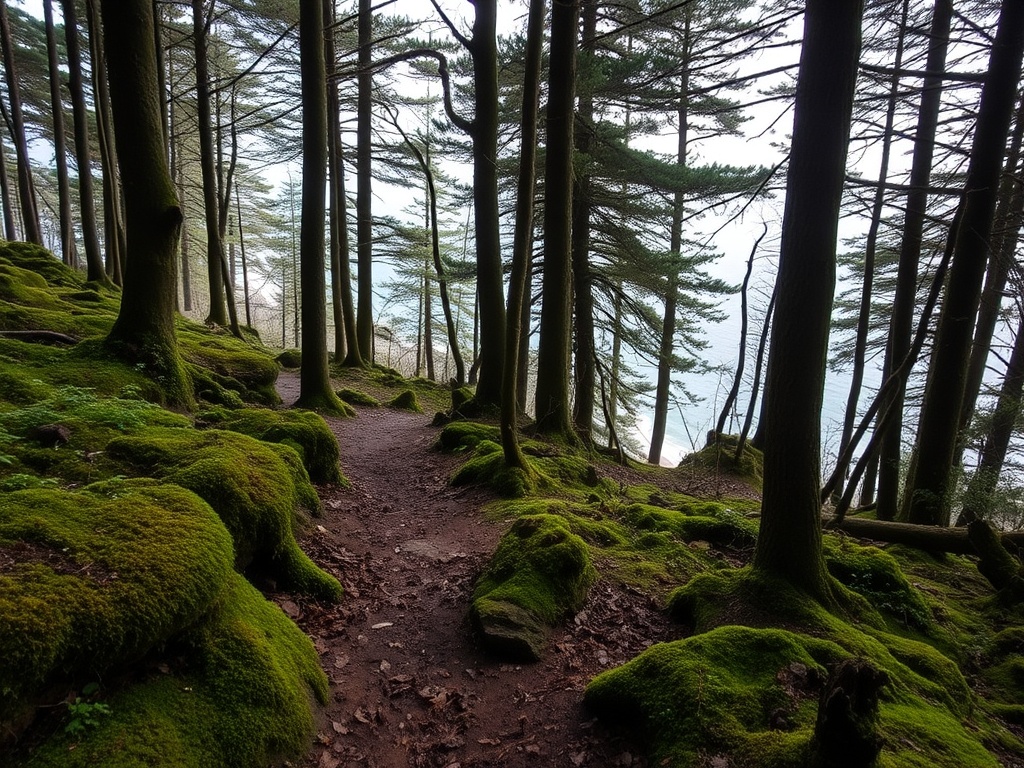
Why the Wild Pacific Trail Becomes Routine
People write about the Wild Pacific Trail like it’s a one-time activity. In reality, locals walk sections of it over and over.
Not because it changes dramatically—but because small things do. Light shifts, tide levels, wind direction. It’s never identical, even if the path is the same.
That’s the difference between visiting and living here. You stop chasing new spots and start paying attention to familiar ones.
Quiet Isn’t Empty Here
One of the biggest misconceptions about Ucluelet is that it’s “quiet” in a way that implies nothing is happening.
There’s always something happening—you just have to adjust what you’re looking for.
- Weather systems rolling in
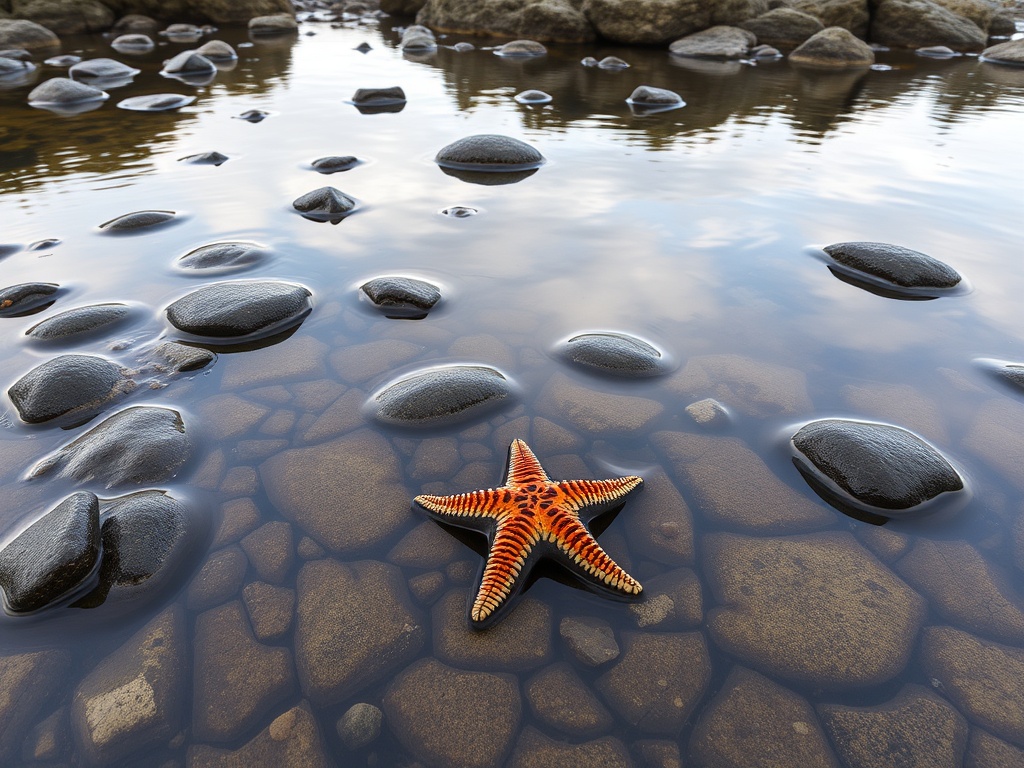
- Tide changes exposing new shoreline details
- Wildlife appearing and disappearing without warning
It’s active, just not in a loud or scheduled way.
Food Is Built Around Regulars, Not Trends
Restaurants and cafes here don’t survive on one-time visitors alone. They rely on locals coming back.
That changes how places operate. Consistency matters more than novelty. Portions, quality, and familiarity win over experimentation.
You’ll notice menus that don’t try too hard. And that’s usually a good sign.

Evenings Wind Down Early—And That’s the Point
If you’re expecting a late-night scene, you’re in the wrong place.
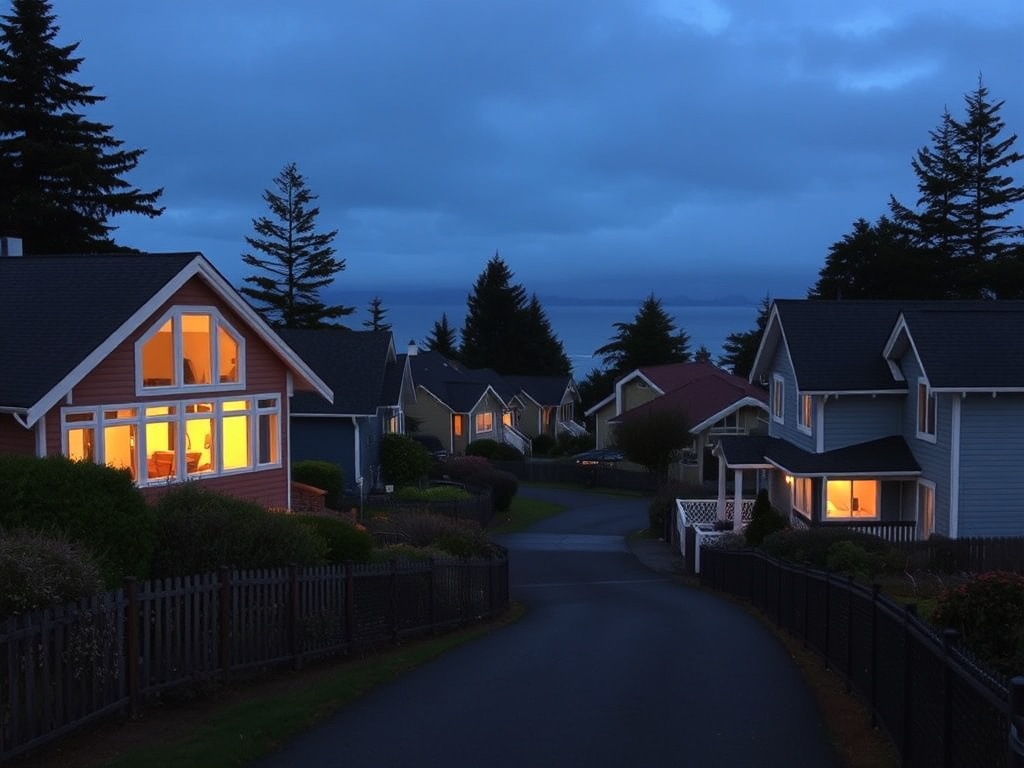
Evenings here taper off. People head home, the streets quiet down, and the focus shifts inward—reading, listening to the weather, or just sitting.
It’s not about a lack of options. It’s about a different set of priorities.
Visitors vs. Locals: The Key Difference
Visitors try to fit Ucluelet into a plan. Locals let it shape their day.
That’s the shift. Once you stop trying to optimize your time here, the place opens up in a different way.
You start noticing things you would’ve walked past. You stay longer in places you would’ve left quickly.
What You Should Take From This
If you’re coming to Ucluelet, the best thing you can do is adjust your expectations before you arrive.
- Don’t over-schedule your days
- Repeat places instead of constantly moving on
- Pay attention to weather—it’s part of the experience, not a disruption
This isn’t a place you “see.” It’s a place you settle into, even if only for a few days.
The Bottom Line
Ucluelet rewards attention, not activity.
Once you understand that, everything else starts to make more sense—the pace, the quiet, the way people interact with the place.
And if you come back, you’ll notice more the second time. That’s usually how it starts.